3D printer metal has emerged as a game-changer for industries that demand precision, strength, and speed. From aerospace engineering to automotive innovation, this technology is redefining how complex parts are designed and manufactured. By using a 3d printer metal , companies can produce lightweight, durable components faster and more cost-effectively than ever before. This revolution is paving the way for greater efficiency, reduced waste, and limitless design possibilities.
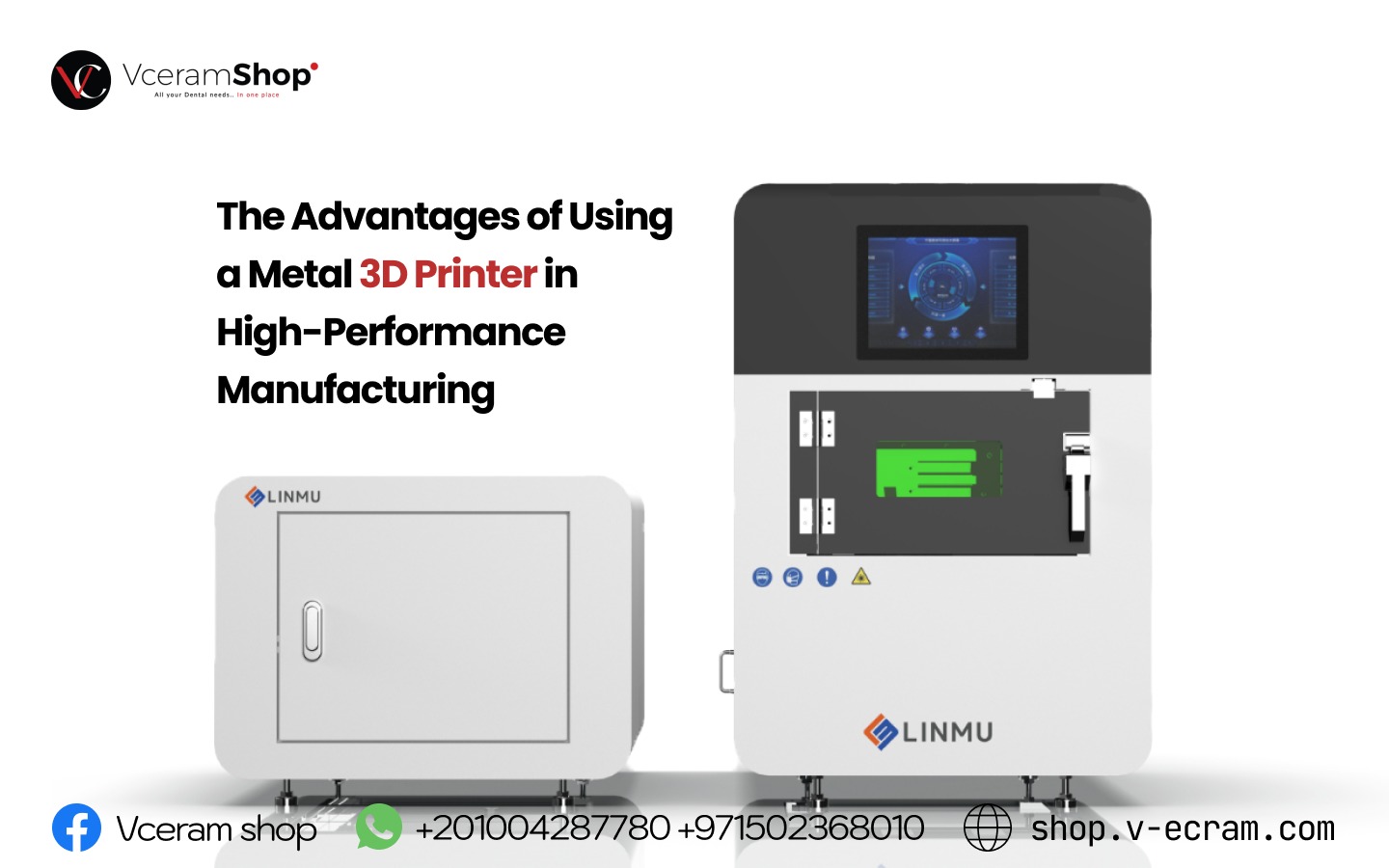
The Advantages of Using a Metal 3D Printer in High-Performance Manufacturing
In high-performance manufacturing, precision and material integrity are critical for achieving optimal results. A metal 3D printer offers unmatched accuracy, producing components with intricate geometries that traditional methods struggle to achieve. This capability ensures parts meet exact design specifications, reducing the need for post-processing and improving overall product quality. Manufacturers can now create complex prototypes and end-use parts in less time without compromising durability.
One of the key advantages of adopting a metal 3D printer is the ability to work with a wide range of metals, such as titanium, cobalt-chrome, and stainless steel. These materials are essential for industries like aerospace and automotive, where strength-to-weight ratio and corrosion resistance are crucial. By enabling on-demand production, companies can reduce inventory costs, streamline supply chains, and respond quickly to market changes or urgent demands.
For Reading more Articles
How Metal 3D Printing Works: A Beginner’s Guide
The Pros and Cons of Metal 3D Printing: Is It Worth It?
Efficiency is another driving force behind the use of a metal 3D printer in high-performance manufacturing. The additive process minimizes material waste compared to subtractive methods, making production more sustainable and cost-effective. Additionally, faster turnaround times help businesses accelerate product development cycles, giving them a competitive edge. This combination of speed, precision, and sustainability positions metal 3D printing as a cornerstone of next-generation manufacturing.
Metal 3D Printer Applications in Aerospace: From Prototypes to Flight-Ready Parts
The aerospace industry demands innovation that balances performance, safety, and cost-efficiency. A metal 3D printer enables engineers to create highly complex components that are both lightweight and durable, meeting strict industry standards. From turbine blades to structural brackets, parts can be designed for optimal aerodynamics and strength without the limitations of traditional manufacturing. This technology significantly reduces lead times while maintaining exceptional quality.
Prototyping in aerospace has been transformed by the use of a metal 3D printer. Designers can now produce functional prototypes in days instead of months, allowing for faster testing and refinement. This rapid iteration process ensures that final designs are thoroughly optimized before moving into full-scale production. The result is improved product performance, reduced development costs, and a shorter time-to-market for advanced aerospace systems.
Beyond prototyping, a metal 3D printer is increasingly used to manufacture certified flight-ready parts. With the ability to produce components that pass rigorous safety and compliance checks, metal 3D printing is helping aerospace companies replace obsolete parts, customize designs for specific aircraft, and maintain fleets more efficiently. This adaptability ensures aircraft remain operational longer while reducing dependency on large spare-part inventories.
How a Metal 3D Printer Accelerates Innovation in the Automotive Sector
In the automotive sector, innovation relies heavily on the ability to design, test, and produce components faster than ever before. A metal 3D printer allows manufacturers to create intricate, high-strength parts that can withstand extreme conditions on the road or track. From custom exhaust systems to lightweight chassis components, this technology empowers engineers to push design boundaries while maintaining performance and safety standards.
Rapid prototyping is one of the biggest advantages a metal 3D printer brings to automotive innovation. Engineers can produce and test multiple design iterations in a fraction of the time required by traditional manufacturing. This speed not only accelerates product development cycles but also enables quick adjustments in response to market demands, regulatory changes, or performance testing results.
Beyond prototyping, a metal 3D printer supports the production of end-use parts in small batches, making it ideal for high-performance and luxury vehicles. This flexibility allows for customization, weight reduction, and the integration of advanced materials into designs. By reducing waste, lowering tooling costs, and enabling unique geometries, metal 3D printing is helping automotive companies lead in both efficiency and innovation.
Choosing the Right Metal 3D Printer for Industrial-Grade Production
Selecting the ideal metal 3D printer for industrial-grade production starts with understanding your manufacturing requirements. Factors such as build volume, layer resolution, and supported materials will determine whether the printer can meet your production goals. Industrial environments often demand machines that can operate continuously while delivering consistent, high-quality results, making reliability and precision essential.
Another key consideration when choosing a metal 3D printer is the range of compatible metals. From titanium and cobalt-chrome to stainless steel and nickel alloys, each material offers unique benefits for strength, durability, and heat resistance. Matching your material needs with the printer’s capabilities ensures that your production process is optimized for both performance and cost-efficiency.
Lastly, evaluating the operational and maintenance requirements of a metal 3D printer is crucial for long-term success. Features such as automated calibration, user-friendly software, and integrated safety systems can greatly enhance productivity. Partnering with a supplier who offers strong technical support, training, and after-sales service will also ensure your investment delivers consistent results for years to come.
Metal 3D printing is redefining how industries design, prototype, and produce high-performance parts with unmatched precision and efficiency. From aerospace to automotive, the 3d printer metal offers limitless possibilities for innovation and cost-effective manufacturing. For more details or to explore our advanced solutions, visit us at any of our branches:
Cairo, Egypt – 002-01004287780 – shop.v-ceram.com
Damascus, Syria – 0996426585
Alexandria, Egypt – 002-01099114708
Dubai, UAE – 00971502368010