3D printer metal has emerged as a game-changing technology in various industries, especially in the dental field. With its ability to create precise, customized metal components, it’s reshaping how dental professionals operate. However, like any advanced tool, it comes with both strengths and limitations. In this article, we explore whether investing in a 3D printer metal is truly worth it for your lab or clinic.
How 3D Printer Metal Technology Is Revolutionizing Dental Labs
3D printer metal technology is rapidly transforming dental labs by offering unmatched precision and speed in producing metal frameworks. Unlike traditional casting methods, this technology enables accurate and repeatable results, especially critical for crowns, bridges, and partial dentures. The micron-level resolution ensures a perfect fit, reducing chair time and adjustments. This level of accuracy leads to better patient outcomes and streamlined workflows.
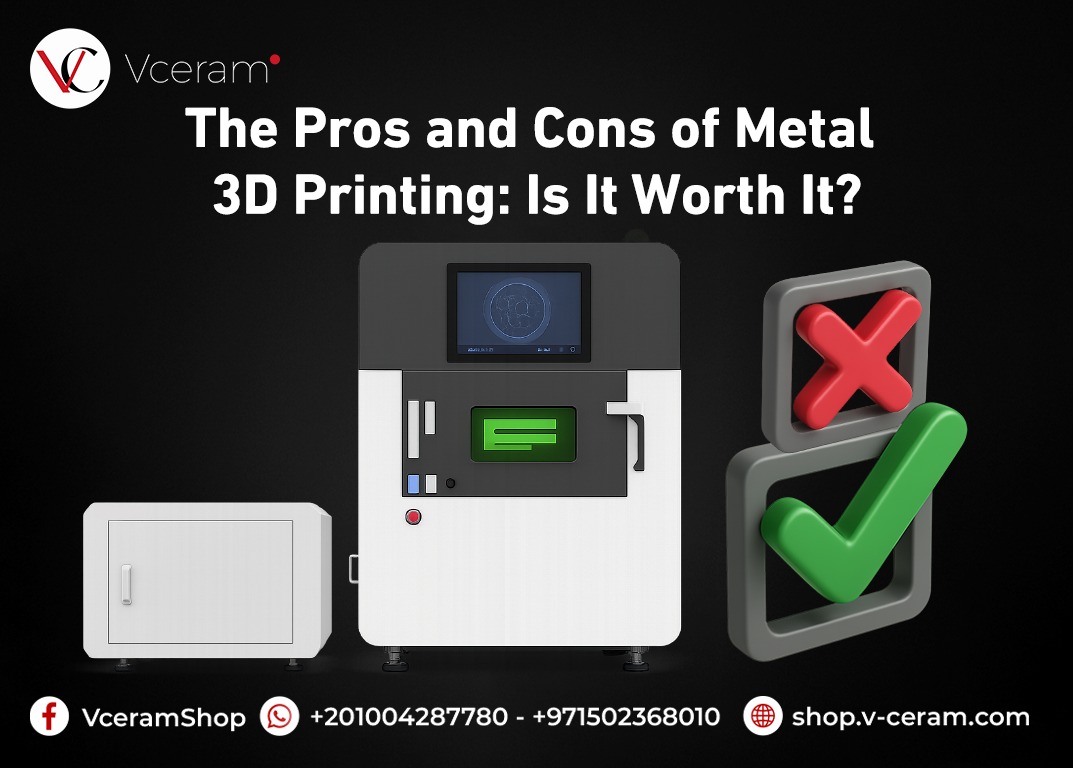
Another major shift comes from the compact and adaptable design of modern dental metal 3D printers. According to the brochure, their flexible placement and small footprint allow them to fit in virtually any lab setup, optimizing space and improving efficiency. Labs no longer need large-scale industrial environments to produce top-quality restorations. This accessibility democratizes high-end dental manufacturing for smaller practices.
Moreover, the ability to produce complex geometries and reduce material waste makes this technology both innovative and sustainable. Dental professionals can now fabricate intricate structures in less time, with minimal post-processing. This flexibility supports on-demand production, helping labs respond faster to urgent cases or customization requests. Ultimately, metal 3D printing is raising the standard across the dental industry.
For Reading more Articles
How Metal 3D Printing Works: A Beginner’s Guide
Top 10 Metal 3D Printers in 2025: Which One is Right for You?
Key Advantages of Using a 3D Printer Metal in Dentistry
One of the main advantages of using a 3D printer metal in dentistry is the high level of accuracy and repeatability. The printer can produce metal parts with precision down to microns, ensuring a perfect fit for crowns, bridges, and other dental prosthetics. This minimizes the need for manual adjustments and remakes. The result is faster treatments and higher patient satisfaction.
Another key benefit is the flexibility and compactness of the printer design. As highlighted in the brochure, the machine can be easily placed in labs with limited space and deployed anywhere, anytime. This portability allows dental labs to scale their operations without major infrastructure changes. It’s a practical solution for growing clinics aiming to expand their services.
Additionally, metal 3D printing reduces material waste significantly. The technology builds only what is needed, layer by layer, avoiding the inefficiencies of traditional casting. This not only saves on raw materials but also lowers production costs over time. For dental labs, this means higher profit margins and more sustainable operations.
Limitations and Challenges of 3D Printer Metal for Dental Applications
Despite its many advantages, 3D printer metal technology comes with certain limitations in dental applications. The initial investment cost is relatively high, which can be a barrier for small clinics or newly established labs. Alongside the machine, additional expenses for materials, software, and training must be considered. This makes careful financial planning essential before adoption.
Another challenge is the learning curve associated with operating and maintaining the printer. Metal 3D printers require skilled technicians who understand both the software and post-processing techniques. Improper handling can lead to failed prints or inaccuracies in dental restorations. Without proper training, the benefits of the technology may not be fully realized.
Environmental and safety considerations are also critical. Some metal powders used in the printing process require special handling and controlled environments. Ventilation systems, protective gear, and regular maintenance are often needed to meet health and safety standards. These factors add operational complexity that dental professionals must manage effectively.
4. Is Investing in a Dental 3D Printer Metal Worth It for Your Clinic or Lab?
Investing in a 3D printer metal for your dental clinic or lab can be a strategic move with long-term benefits. The ability to produce high-precision restorations in-house means faster turnaround times and more control over the workflow. This can improve patient satisfaction and reduce reliance on external suppliers. Over time, this efficiency can boost your reputation and service capacity.
However, the decision should factor in your current workload, budget, and staff readiness. While the printer’s compact design and flexible installation (as noted in the brochure) make it accessible, maximizing its value requires regular use. If your lab handles frequent metal-based cases, the investment could pay off quickly. Otherwise, it may take longer to see a return.
Ultimately, it’s not just about the machine—it’s about how you integrate it into your operations. With proper training, workflow optimization, and marketing of your enhanced capabilities, a dental metal 3D printer can become a powerful asset. For growing clinics and labs aiming to lead in digital dentistry, the investment is often well worth it.
In conclusion, the benefits of integrating 3D printer metal technology into your dental lab are clear—greater precision, faster workflows, and long-term cost efficiency. However, careful evaluation is essential to ensure it aligns with your clinic’s needs and capacity. If you’re ready to elevate your dental production standards, explore our full range of digital dentistry solutions on shop.v-ceram.com. For inquiries or expert consultation, contact us at your nearest branch:
Syria: +963 996 426 585 | Cairo: +2 0100 428 7780 | Alexandria: +2 0109 911 4708 | Dubai: +971 50 236 8010.
We’re here to support your journey into the future of dental technology.