3D printer metal is revolutionizing dental manufacturing by offering unmatched accuracy, speed, and design flexibility. From crowns to custom frameworks, this advanced method helps clinics and labs produce high-quality results with less waste. As the demand for precision grows, more professionals are turning to innovative solutions. This article explores how a 3D printer metal works and why it’s becoming essential in modern dentistry.
What Is a 3D Printer Metal and How It Transforms Dental Manufacturing
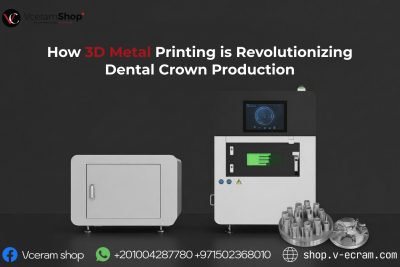
A 3D printer metal is an advanced machine that uses metal powders and laser technology to create precise, durable components layer by layer. In dentistry, it enables the production of crowns, bridges, and custom frameworks with exceptional accuracy. Unlike traditional casting, the digital workflow reduces manual errors. This innovation allows dental professionals to achieve better consistency and fit.
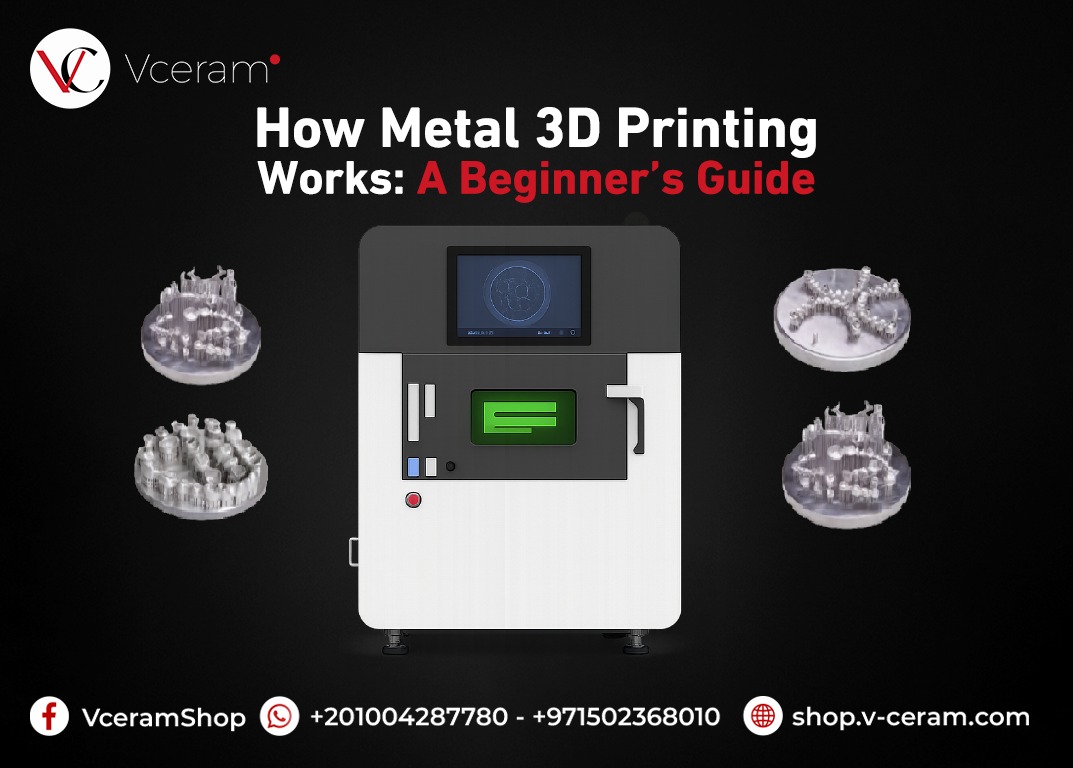
By using metal powder and selective laser melting, the 3D printer metal builds complex dental parts directly from digital designs. The result is faster turnaround times and significantly reduced material waste. Compact designs, like desktop units, fit easily into dental labs without taking up excessive space. Flexibility in placement makes these printers suitable for various clinical environments.
For Reading more Articles
How Metal 3D Printing Works: A Beginner’s Guide
The Pros and Cons of Metal 3D Printing: Is It Worth It?
This transformation in dental manufacturing empowers clinics and labs to produce parts on demand, eliminating long wait times from external suppliers. The integration of CAD/CAM workflows with 3D printer metal technology streamlines production from start to finish. With minimal post-processing and high precision (as fine as ±20μm), practitioners gain full control over quality. It’s a shift toward more agile and cost-effective dental solutions.
Step-by-Step: How a 3D Printer Metal Creates Dental Parts with Precision
The process begins with creating a digital 3D model using dental CAD software. Once finalized, the file is sent to the 3D printer metal, which uses metal powder as the raw material. A laser selectively melts the powder layer by layer, building the part from the ground up. This additive method ensures intricate geometries and accurate internal structures.
During printing, the machine maintains strict temperature and environmental controls to ensure uniform melting and bonding. The layers are fused with micron-level precision, often reaching tolerances as fine as ±20μm. This results in highly detailed dental restorations like crowns and partial frameworks. The stable and consistent output reduces the need for manual corrections.
Once printing is complete, the part undergoes cooling and minimal post-processing—usually involving surface finishing or sintering. Thanks to compact, desktop-friendly designs, the full cycle can be executed efficiently within a dental lab. The flexibility and reliability of modern 3D printer metal systems allow for repeatable results. Every step is designed to save time without compromising quality.
3. Why Dental Professionals Are Switching to 3D Printer Metal Technology
The first reason clinicians and dental technicians are gravitating toward 3D printer metal technology is the pursuit of precision: selective laser melting fuses metal powder at tolerances down to ±20 μm, reproducing complex geometries with a consistency unattainable in conventional casting or milling workflows . Because the restoration is grown directly from a validated CAD design, the marginal fit of crowns, bridges, and implant frameworks improves dramatically, minimizing chair-side adjustments and elevating patient comfort and satisfaction. Such accuracy also means fewer remakes, which translates into shorter turnaround times and a reputation for reliability that strengthens the laboratory–clinic relationship. In an industry where a fraction of a millimeter can decide clinical success, a 3D printer metal unit turns digital promise into measurable biological and aesthetic gains for every case handled.
Beyond precision, dental professionals value the operational efficiency unlocked by consolidating design, manufacturing, and finishing under one roof; compact desktop footprints reduce floor-space requirements, while flexible placement allows the machine to be deployed virtually anywhere in the lab without costly facility renovations . Printing parts in-house dissolves the logistical delays of outsourcing, letting technicians start fabrication as soon as the intra-oral scan is approved and deliver finished prostheses within hours rather than weeks. Laser-based additive manufacturing uses only the material required to build each layer, slashing precious-metal waste and lowering per-unit cost even as it expands the range of indications that can be offered. These gains in speed, cost, and versatility free up both staff and capital, enabling forward-thinking practices to reallocate resources toward marketing, education, or additional digital equipment that further differentiates them from competitors.
Financial and strategic considerations seal the decision to switch: when the same 3D printer metal platform produces crowns, partial frameworks, and custom implant abutments on demand, inventory can be kept at a minimum, and production planning becomes agile rather than dependent on suppliers’ lead times. Lower tool wear and simplified post-processing reduce maintenance overhead, while the availability of regional sales and after-sales support—highlighted in the brochure’s listing of Cairo, Alexandria, and Dubai service points—provides confidence that downtime will remain negligible . Patients increasingly ask for metal-printed restorations by name, perceiving them as state-of-the-art, which boosts acceptance rates and allows clinics to command premium fees that quickly offset the initial investment. Ultimately, adopting a 3D printer metal workflow transforms the dental business model from reactive to proactive, positioning practitioners at the forefront of digital dentistry and ensuring sustainable growth in an increasingly competitive market.
How to Choose the Best 3D Printer Metal for Your Dental Lab or Clinic
Selecting the right 3D printer metal for your dental practice begins with understanding your workflow needs. If space is limited, compact desktop models—like the one featured in the brochure—offer powerful performance without requiring major lab renovations. Consider printers that integrate easily with existing CAD/CAM systems for smoother digital transitions. A machine that supports quick deployment and flexible placement ensures minimal disruption to your operations.
Accuracy is critical in dental restorations, so choose a printer with proven precision levels—ideally ±20μm or better. This ensures tight-fitting crowns, bridges, and implant parts, reducing manual adjustments and remakes. Also, look for printers with consistent layer-by-layer fusion technology, such as selective laser melting, which guarantees structural integrity. Reliable output quality translates to better clinical results and higher patient satisfaction.
Don’t overlook support and service when choosing your 3D printer metal. The brochure highlights regional availability in Cairo, Alexandria, and Dubai—giving peace of mind for maintenance and after-sales needs. Opt for a brand that offers local training and responsive technical support to ensure smooth integration. Ultimately, the best printer is one that balances performance, size, precision, and support for your lab’s specific demands.
Metal 3D printing is no longer a futuristic concept—it’s a practical, game-changing solution for modern dental practices. With the right 3D printer metal, clinics and labs can achieve greater speed, accuracy, and control than ever before. Investing in this technology means investing in the future of dentistry.